

In Greece, a quick ferry ride can take you from a village of whitewashed houses to a harbour lined with colourful fishing boats, or from a lively beach scene to a stretch of coastline where the afternoon seems to stand still. The islands may share the same sea, but each has a rhythm of its own. The challenge is knowing which ones belong on the same itinerary, how long to spend on each and when to go.
A little planning can make the difference between a trip spent watching the clock and one that unfolds at just the right pace. If you’re still deciding where to go, our guide to the 5 Best Greek Islands for Every Type of Traveller will help you find your kind of Greek escape. Once you’ve picked your islands, here’s how to bring the journey together, from choosing the best time to visit to navigating ferries and planning a route that leaves room for the unexpected.
When Is the Best Time to Go Greek Island Hopping?
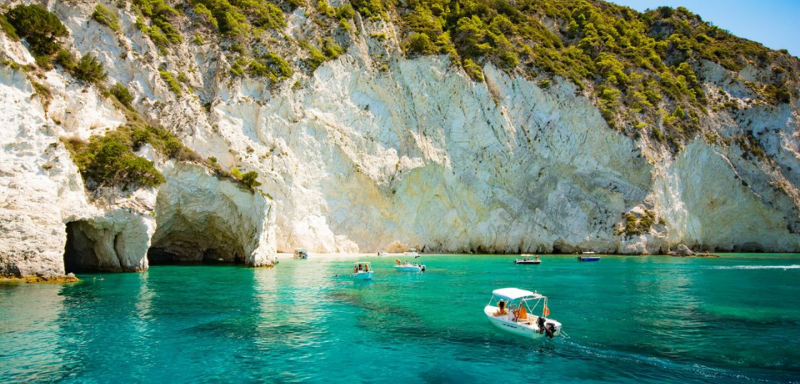
May, June and September are among the best months to explore the Greek islands. Spring brings pleasant temperatures, blooming landscapes and quieter streets, making it ideal for sightseeing and exploring traditional villages. By June, the sea is warmer and beach days become more inviting. September offers a similar appeal, with lingering summer sunshine, warm swimming waters and fewer crowds than peak season. These months strike a lovely balance between exploring and unwinding, although ferry schedules can vary.
July and August bring Greece’s classic summer atmosphere, with long sunny days, lively beach clubs, bustling waterfront restaurants and warm seas. However, popular islands such as Santorini and Mykonos can get crowded, while accommodation and ferry fares often rise. Book hotels, ferry tickets and excursions in advance. With temperatures climbing, plan sightseeing for early mornings and save the afternoons for a leisurely lunch or a swim.
How to Choose Your Greek Island Route
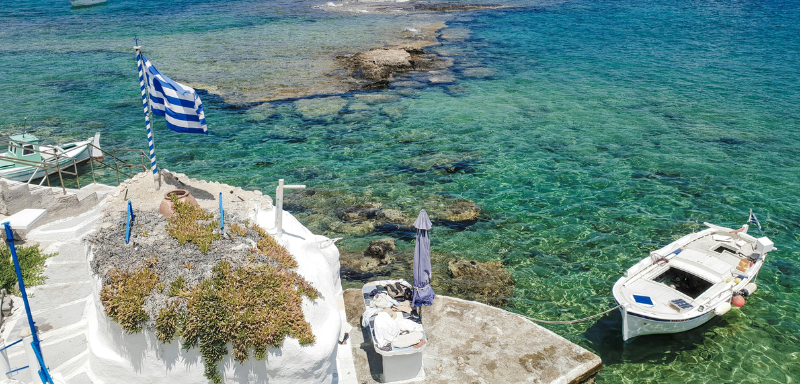
Greece’s island groups offer different experiences, making it worth focusing on one region rather than travelling across the country.
The Cyclades are perfect for the classic Greek aesthetic, with destinations such as Santorini, Mykonos, Paros and Naxos. The Ionian Islands, including Corfu and Kefalonia, appeal to nature lovers with their green landscapes and beautiful beaches. Meanwhile, the Dodecanese, particularly Rhodes, combines coastal escapes with fascinating historical sites.
Not sure which destination suits your travel style? Explore our guide to the 5 Best Greek Islands for Every Type of Traveller to find your ideal match.
How Many Islands Should You Visit?
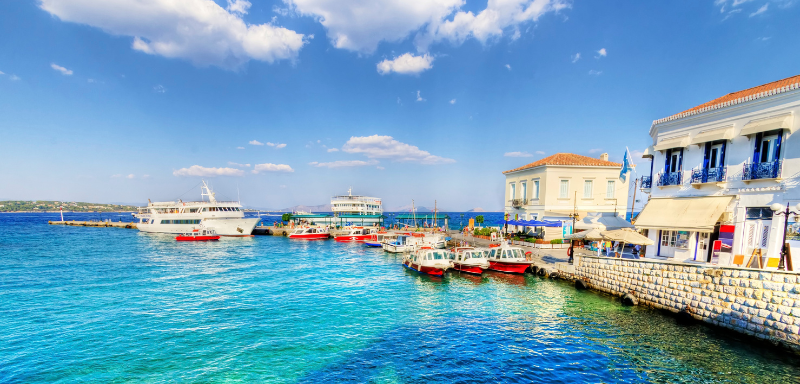
For a week-long holiday, two islands are usually enough to experience Greece without rushing through your itinerary. With 10 to 14 days, you can explore three or four islands, leaving time for beach days, village walks and long lunches by the sea. Rather than squeezing in as many destinations as possible, choose islands that complement one another and allow at least two or three nights at each stop.
Ferries are a popular way to travel between the Greek islands, offering scenic views along the way. However, journey times and schedules vary by route and season. Book tickets early for summer travel and leave enough time between ferry arrivals and international flights to avoid unnecessary stress.
What Should You Eat in Greece?
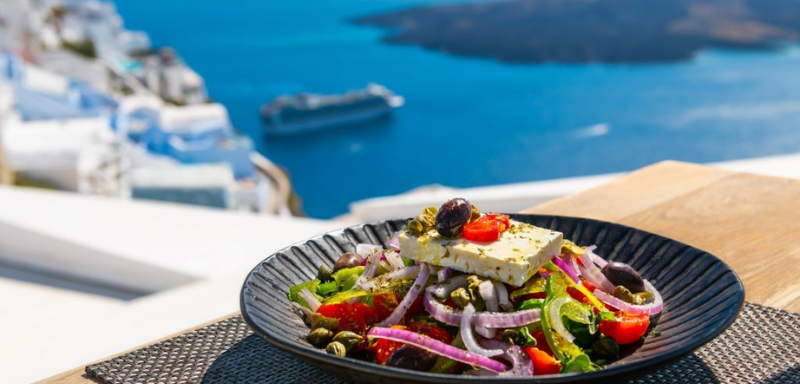
Greek island cuisine is as memorable as its scenery, combining fresh ingredients, traditional recipes and the flavours of the Mediterranean. Look out for grilled seafood, souvlaki, crisp Greek salad, creamy tzatziki, local cheeses and freshly baked pastries. Each island has its own specialities, too. Santorini is known for its fava and cherry tomatoes, while Naxos is celebrated for its cheeses and potatoes. Food is best enjoyed slowly, preferably over a long lunch or dinner by the sea.
For a taste of local life, venture beyond busy waterfront restaurants and seek out family-run tavernas in village squares, where regional dishes take centre stage.
Tips for Planning Your Greek Island Holiday
- Travel in May, June or September for a balance of pleasant weather and manageable crowds.
- Book accommodation and ferry tickets early for summer trips.
- Pack light to make transfers between islands easier.
- Budget for ferries, local transport, meals and activities, not just accommodation.
- Check current entry requirements before travelling, particularly if you are applying for a Schengen visa.
Make Your Greek Escape Count
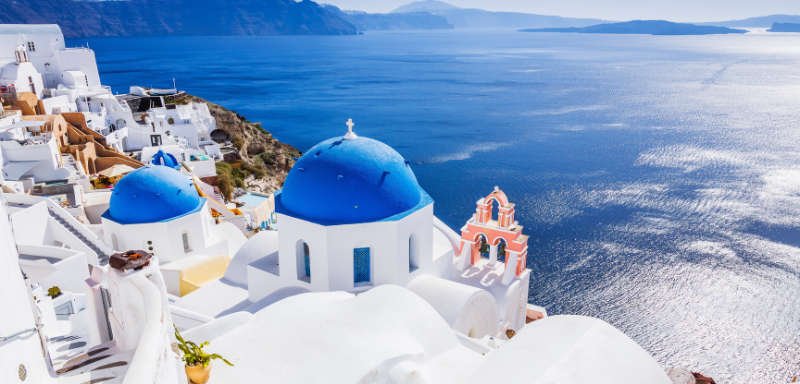
A Greek island holiday does not need an ambitious itinerary to be unforgettable. Sometimes, the best experiences are the unplanned ones: discovering a quiet beach, lingering over lunch at a family-run taverna or wandering through a village long after the tour groups have left. Choose destinations that complement one another, allow time between ferry journeys and resist the temptation to fit everything into a single trip.
Whether you picture sunsets over the Aegean, secluded swimming spots or historic towns steeped in Mediterranean charm, Greece offers an island for every kind of traveller. The secret is finding the places that match your pace, interests and idea of a perfect escape.
At 1TripWiser, we believe thoughtful planning leaves more room for meaningful travel experiences. If you’re still deciding where to go, explore our guide to 5 Best Greek Islands for Every Type of Traveller for inspiration and start planning a Greek getaway worth savouring.
Frequently Asked Questions About Greek Island Hopping
1. How many days do you need for Greek island hopping?
A week is ideal for exploring two islands at a relaxed pace, while 10 to 14 days allows you to visit three or four islands, depending on ferry connections and your itinerary.
2. What is the best month for Greek island hopping?
June and September are excellent choices, offering warm weather, pleasant swimming conditions and fewer crowds than July and August.
3. How do you travel between the Greek islands?
Ferries are the most popular way to travel between many Greek islands. Domestic flights are also available for selected destinations, particularly those farther from Athens.
4. Which Greek islands are best for first-time visitors?
Santorini, Mykonos, Naxos and Paros are popular choices for first-time visitors, offering a mix of scenic villages, beaches, dining and cultural experiences.
5. Is Greek island hopping expensive?
Costs depend on the season, accommodation and number of islands visited. Travelling in May, June or September, booking transport early and choosing fewer destinations can help manage your budget.