

Not every adventure requires weeks of planning, expensive gear, or a long trek into the wilderness. Across India, some of the country’s most spectacular landscapes can be explored in a single day. From flower-filled valleys in the Himalayas and living root bridges hidden in rainforest jungles to rolling grasslands in the Western Ghats, these hikes offer unforgettable experiences without demanding a multi-day commitment.
Whether you’re a beginner looking for an easy escape into nature or an experienced trekker searching for a rewarding day outdoors, these trails combine breathtaking scenery, unique ecosystems, and accessible routes. Pack your daypack, lace up your hiking shoes, and discover six of India’s most beautiful day hikes.
Dzükou Valley, Nagaland
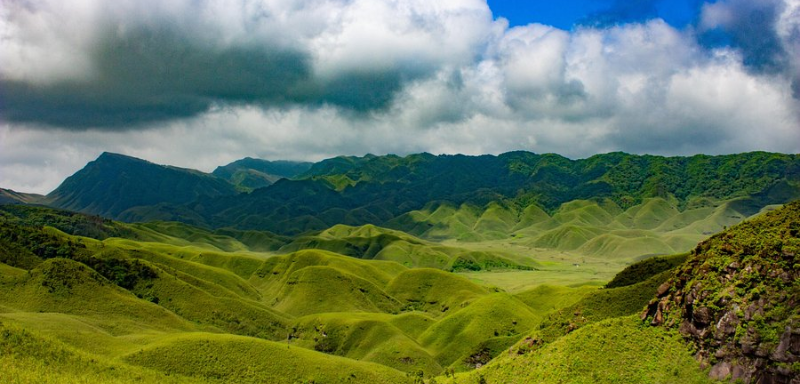
Distance: 9 km (6 miles)
Duration: 1 day
Straddling the border between Nagaland and Manipur, Dzükou Valley is often described as one of Northeast India’s most beautiful natural wonders. During summer, the valley transforms into a vast green carpet dotted with colorful wildflowers, including the rare pink Dzükou Lily, a species found nowhere else on Earth.
July marks peak flowering season, but the valley remains stunning throughout the summer months. Most hikers begin from Viswema Village, around 22 km south of Kohima, while the route from Zakhama Village offers a shorter but steeper ascent.
The trail climbs through dense forests of chestnut, juniper, and oak before opening onto the valley’s sweeping grasslands at an elevation of 2,452 meters. The panoramic views from the top make every step worthwhile.
A guesthouse operated by the Southern Angami Youth Association (SAYO) provides overnight accommodation, though the trek can comfortably be completed as a day trip.
Best time to visit: June to August
Permit required: Inner Line Permit (ILP) for Indian nationals; foreign visitors must register with the local Foreigner Registration Office.
Valley of Flowers, Uttarakhand
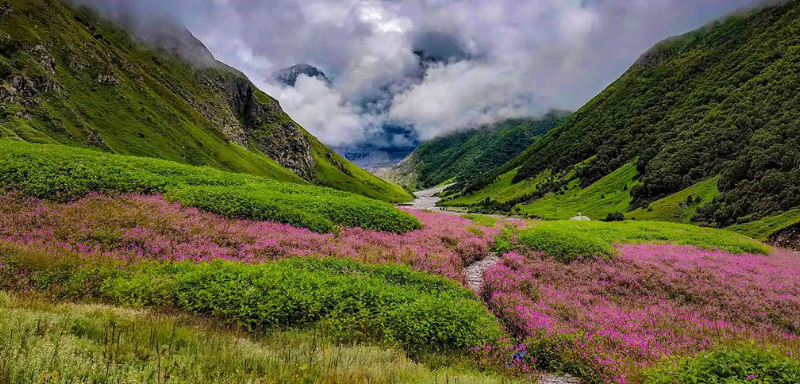
Distance: 8 km (5 miles) round trip
Duration: Around 7 hours
A UNESCO World Heritage Site, the Valley of Flowers is one of India’s most iconic monsoon destinations. Between July and September, the valley bursts into bloom with more than 500 species of alpine flowers set against a backdrop of snow-capped peaks and glaciers.
Most visitors stay overnight in Ghangaria, the base camp for exploring the valley. The trail crosses the Pushpawati River and gradually climbs through breathtaking mountain scenery before reaching the flower-filled meadows.
Apart from its floral beauty, the valley is also home to rare wildlife, including Asiatic black bears, blue sheep, and snow leopards, though sightings are uncommon.
The route is well-marked and popular, making it ideal for independent hikers without the need for a guide.
Best time to visit: July to September
Kudremukh Trek, Karnataka
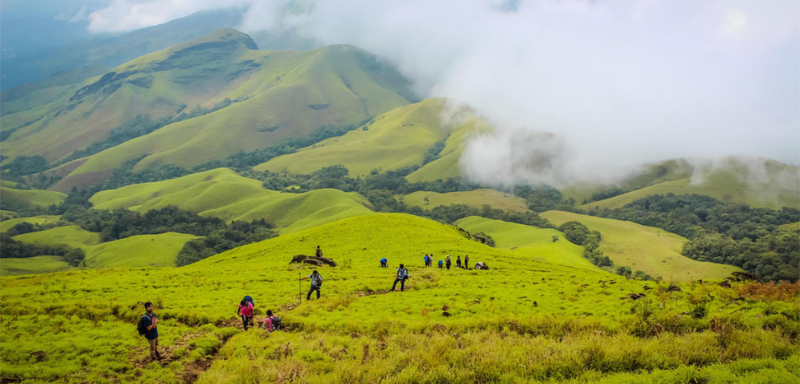
Distance: 18 km (11 miles)
Duration: Around 4 hours
Located in Karnataka’s Chikkamagaluru district, Kudremukh Peak rises to 1,894 meters, making it the third-highest peak in the state. Despite its impressive height, the trek is relatively easy and rewards hikers with some of the Western Ghats’ most picturesque landscapes.
The trail winds through rolling green hills, shola forests, streams, and open grasslands. Wildlife enthusiasts may spot lion-tailed macaques, langurs, Malabar giant squirrels, and a variety of endemic bird species along the way.
Most trekkers stay in Mullodi village, where permits can be obtained from the local forest office. Since only 50 permits are issued daily, arriving early is highly recommended.
Best time to visit: September to February
Chembra Peak, Kerala
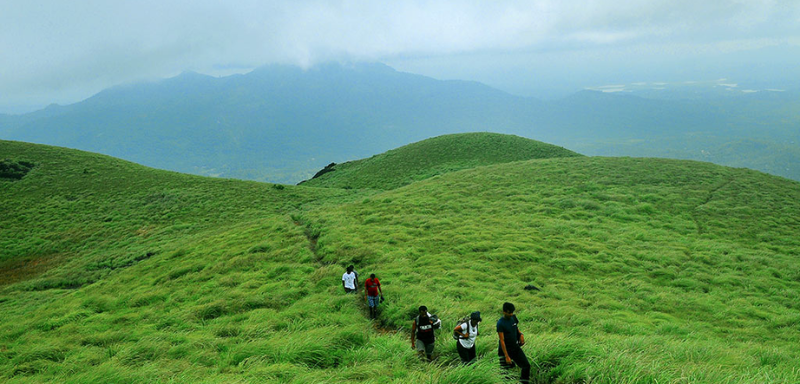
Distance: 4 km (2.5 miles)
Duration: Around 3 hours
Nestled in Kerala’s scenic Wayanad region, Chembra Peak offers one of the most accessible and rewarding hikes in the Western Ghats. The trail begins near the Chembra Peak Forest Office and passes through lush tea plantations and rolling grasslands before reaching the area’s famous heart-shaped lake.
Known locally as Hridaya Thadakam, the lake remains full throughout the year and has become one of Kerala’s most photographed natural attractions.
Although access to the summit itself is currently restricted, the hike to the lake provides stunning views and a peaceful mountain experience.
Visitor numbers are capped at 200 hikers per day, so it’s wise to arrive early and secure your permit before 2 p.m.
Best time to visit: November to February
Nongriat Living Root Bridge Trek, Meghalaya
Distance: 7 km (4.3 miles) round trip
Duration: 1 day
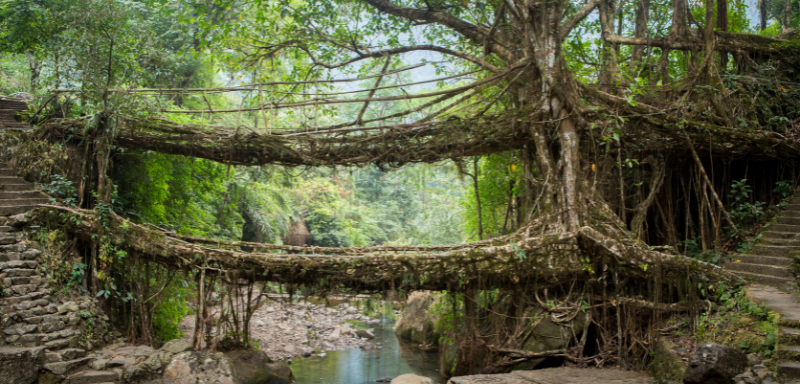
Few places in India are as unique as Meghalaya’s Living Root Bridges. Created over generations by Khasi communities, these remarkable structures are formed by guiding the roots of rubber trees across rivers until they become strong enough to function as natural bridges.
One of the most impressive examples is the famous Double-Decker Living Root Bridge in Nongriat Village.
The trek starts from Tyrna Village near Cherrapunji and begins with a descent of more than 3,000 stone steps into a dense rainforest. Along the way, hikers pass waterfalls, suspension bridges, and vibrant jungle landscapes teeming with butterflies and birdlife.
The route is well-supported with snack stalls and rest stops, making it manageable for most reasonably fit travelers. Hiring a guide isn’t essential but can add valuable insight into Khasi culture and local traditions.
Best time to visit: April to June
Chatakpur to Tiger Hill, West Bengal
Distance: 14 km (8.7 miles)
Duration: Around 6 hours
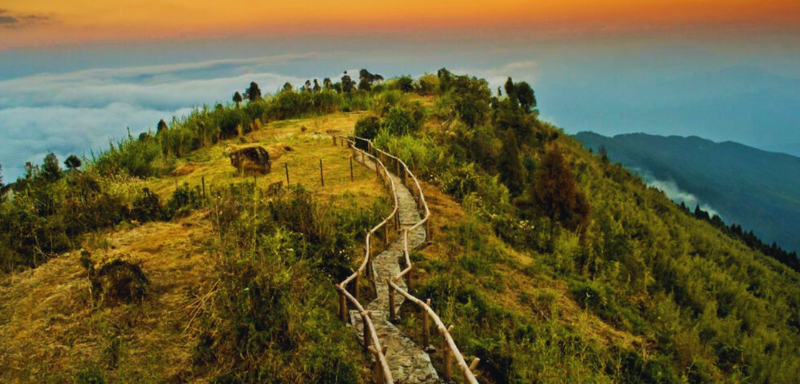
If you’re looking for Himalayan views without tackling a strenuous mountain trek, the Chatakpur–Tiger Hill trail is an excellent choice. Located in the Darjeeling region, the hike combines charming village life, forest trails, and spectacular mountain panoramas.
The journey begins in Sonada and passes through organic farms and orchards before reaching the eco-friendly village of Chatakpur. After spending a night in the village, hikers continue toward a watchtower overlooking the vast Senchal Wildlife Sanctuary.
The sanctuary is home to black bears, barking deer, macaques, and a rich variety of Himalayan birdlife. On clear days, the reward at Tiger Hill is extraordinary: sweeping views of Darjeeling and the snow-covered Kanchenjunga range rising dramatically on the horizon.
To avoid crowds, plan your visit on weekdays rather than weekends.
Best time to visit: October to April
Final Thoughts
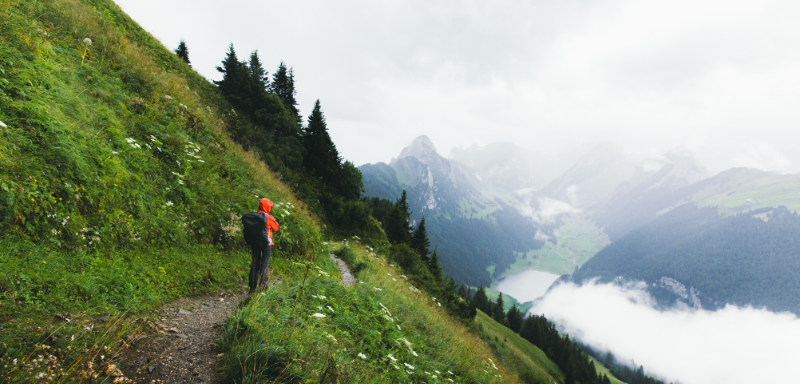
India’s hiking trails aren’t reserved only for seasoned trekkers. These six day hikes prove that some of the country’s most extraordinary landscapes can be explored in just a few hours. Whether you’re wandering through a valley blanketed with wildflowers, crossing living bridges grown from tree roots, or gazing at Himalayan peaks from a forest trail, each of these routes offers a memorable adventure that fits perfectly into a single day.
For travelers who want maximum scenery with minimal logistics, these hikes deserve a place on every India bucket list.
One comment