

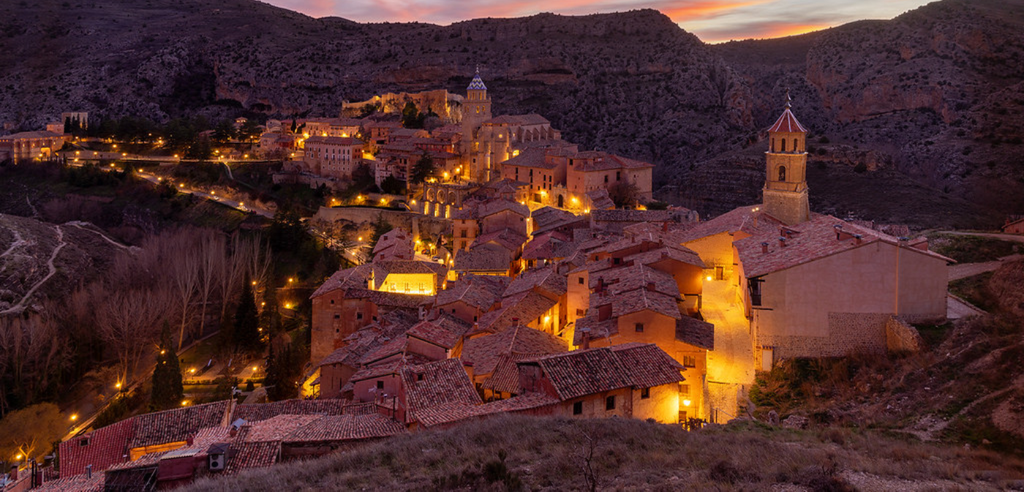
Some places make you feel as though you have stepped into another century. Tucked away in the hills of Aragón in eastern Spain, Albarracín is one such destination. With its terracotta-coloured houses, narrow cobbled streets, ancient stone walls and charming wooden balconies, this little village looks like something straight out of a fairytale.
Away from the familiar tourist trails of Barcelona, Madrid and Seville, Albarracín offers a different side of Spain. It is quieter, more intimate and wonderfully unhurried. Here, the joy lies in wandering through old lanes, discovering hidden viewpoints, stopping at a little café and appreciating the beauty of a place that has held on to its history.
If you are looking for somewhere unusual to add to your Spanish itinerary, Albarracín deserves a spot on your list.
Where Is Albarracín?
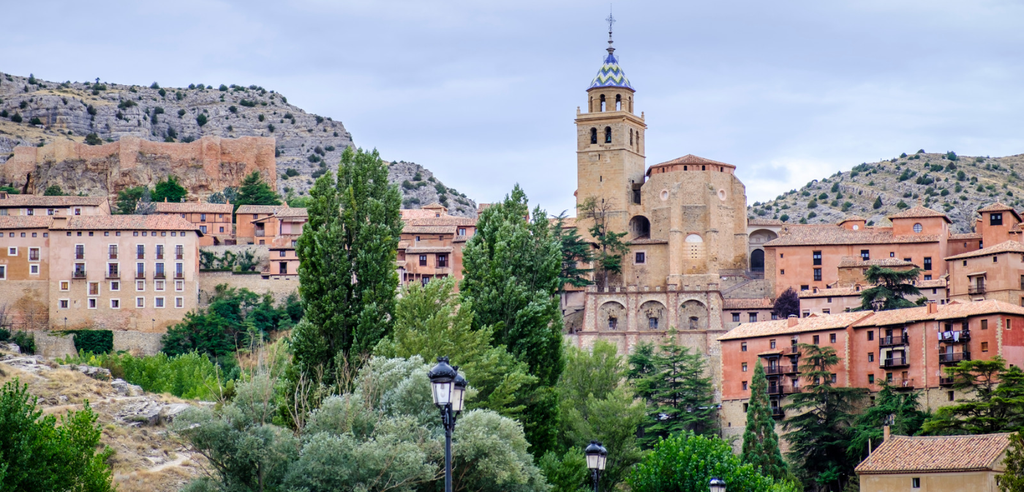
Albarracín is a historic village in the province of Teruel, in the Aragón region of eastern Spain. Set along a rocky hillside overlooking the Guadalaviar River, the village is surrounded by beautiful natural landscapes, pine forests and rugged terrain.
Its location has played an important role in its history. Once the capital of a medieval Taifa kingdom, Albarracín retains a fascinating blend of Islamic and Christian architectural influences. Its historic centre is recognised as a site of cultural interest, making it an appealing destination for architecture enthusiasts and history lovers.
What Makes Albarracín So Special?
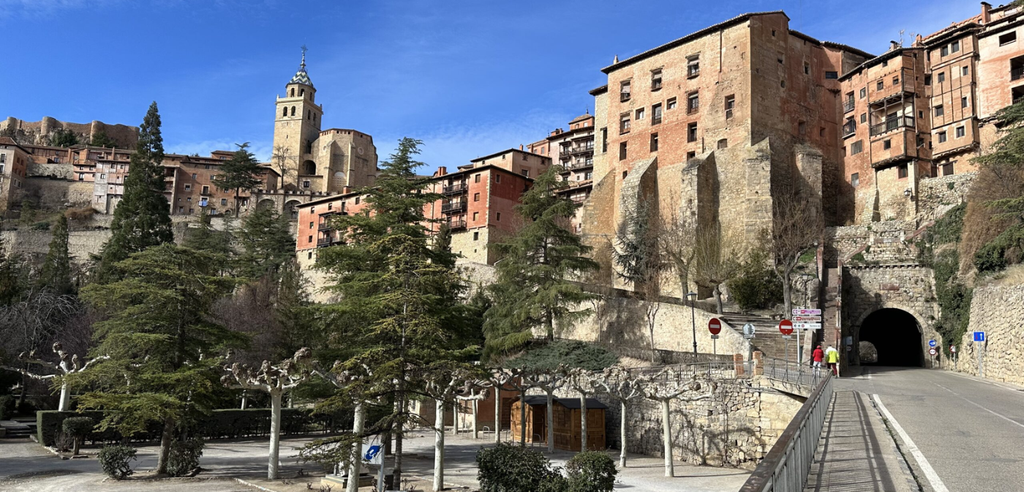
1. Wander Through Its Terracotta-Coloured Streets
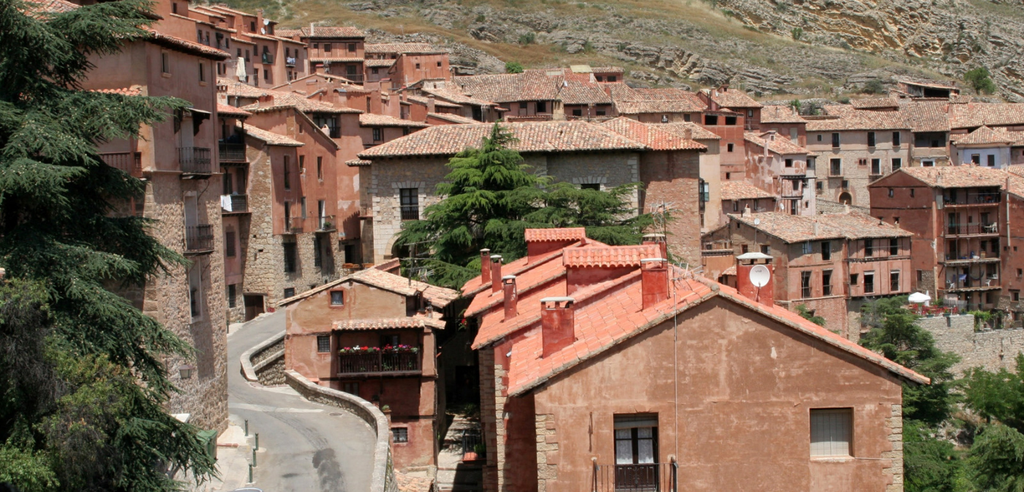
One of the first things you will notice about Albarracín is its distinctive architecture. The village is filled with reddish-pink houses, traditional wooden balconies, tiny windows and intricately designed doorways.
The narrow streets wind through the hillside, revealing beautiful corners at almost every turn. There is no need to follow a strict sightseeing schedule. Simply walk around, explore the little lanes and let the village surprise you.
Don’t forget your camera. Almost every street offers a postcard-worthy view.
2. Explore the Medieval Walls
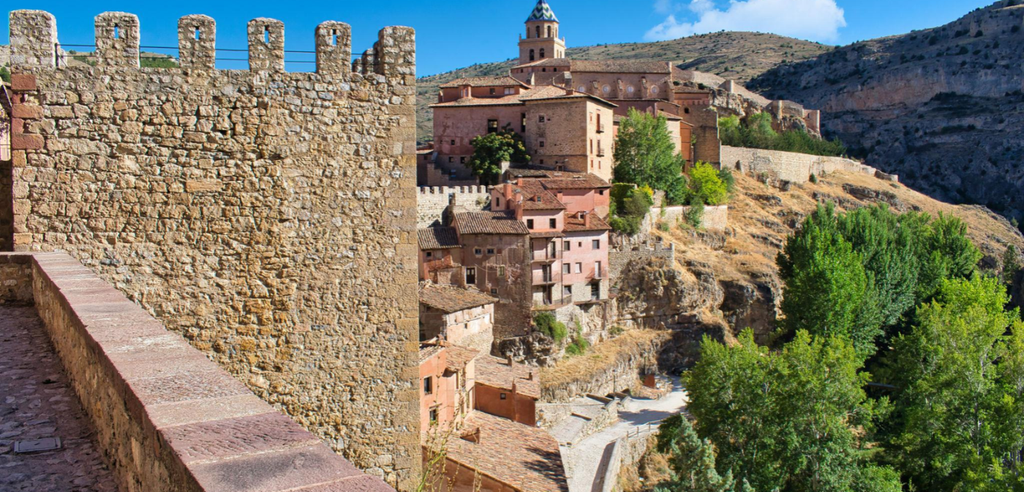
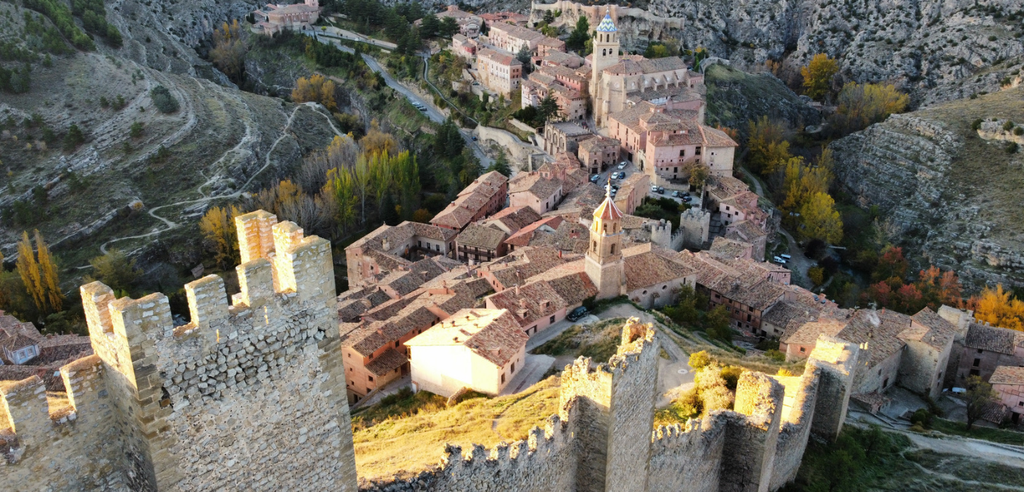
The medieval walls are among Albarracín’s most striking features. Stretching along the hillside, these historic fortifications offer a glimpse into the village’s defensive past.
Walking along sections of the walls is one of the best ways to appreciate the surrounding landscape. You can see the terracotta rooftops, the river below and the hills stretching into the distance.
For history lovers, the castle and the Andador Tower are also worth exploring.
3. Visit Plaza Mayor
At the heart of the village lies Plaza Mayor, a charming central square surrounded by traditional buildings and colourful façades.
It is a lovely place to pause, admire the architecture and take in the views overlooking the Guadalaviar River. The town hall adds to the square’s historic character, making it a natural starting point for exploring Albarracín.
Take your time here. This is the kind of destination where slowing down is part of the experience.
4. Discover the Cathedral of El Salvador
For a little more history, visit the Cathedral of El Salvador, a beautiful historic landmark dating back to the 16th century.
Located beside the former Episcopal Palace, the cathedral reflects the village’s rich religious and architectural heritage. The nearby Diocesan Museum is also worth considering, particularly for its collection of historic artefacts and Flemish tapestries.
5. Take a Walk Along the Guadalaviar River
Albarracín is not just about medieval architecture. Its natural surroundings are equally beautiful.
Follow the riverside paths along the Guadalaviar River and enjoy a different perspective of the village. The peaceful walking routes, greenery and surrounding hills make this a lovely break from exploring the historic centre.
It is also a wonderful opportunity to enjoy the quieter side of the destination.
Beyond the Village: Explore Pinares de Rodeno
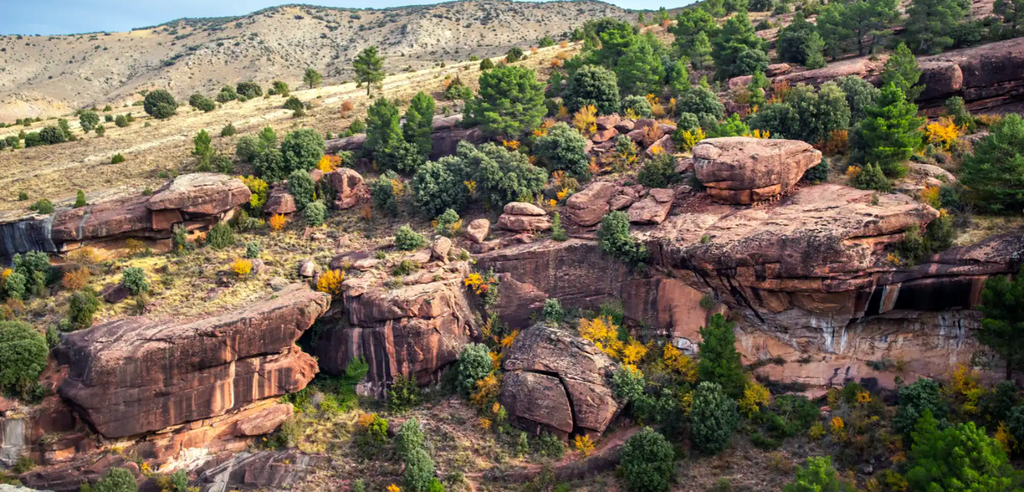
If you have extra time, venture beyond the village to the Protected Landscape of Pinares de Rodeno.
This beautiful natural area is known for its distinctive reddish sandstone formations, expansive pine forests and scenic walking trails. It is also home to prehistoric rock art shelters containing examples of Levantine rock paintings recognised by UNESCO.
For outdoor enthusiasts, the area offers opportunities for hiking, photography and exploring the region’s natural heritage.
Best Time to Visit Albarracín
Albarracín is a year-round destination, but the experience changes with the seasons.
- Spring (March to May): Pleasant temperatures, fresh greenery and ideal conditions for exploring the village on foot.
- Summer (June to August): Longer daylight hours and lively streets, although afternoons can be warm.
- Autumn (September to November): Beautiful seasonal colours, crisp air and a quieter atmosphere. This is a particularly lovely time for photography and countryside walks.
- Winter (December to February): A peaceful setting with colder temperatures and the possibility of snow, giving the village an even more storybook appearance.
For a relaxed getaway, spring and autumn are particularly appealing.
How to Reach Albarracín
Albarracín is best explored as part of a wider trip through Aragón or eastern Spain.
- From Valencia: Approximately two hours by car, making it one of the more convenient starting points.
- From Madrid: Around three hours by car, depending on the route and traffic.
- From Barcelona: Approximately five hours by car.
If you are travelling without a car, you can reach Teruel by train or other public transport connections and then look into local bus services or a taxi to Albarracín. Bus services are limited, so check current schedules before planning your journey.
Renting a car is a convenient option if you want to explore the surrounding villages and natural landscapes at your own pace.
How Long Should You Spend in Albarracín?
You can explore the main historic centre in a day, but staying overnight is a much better way to experience the village.
One night gives you time to enjoy its streets after the daytime visitors have left, discover local restaurants and explore the surrounding countryside without rushing.
If you enjoy hiking, history and slow travel, consider spending two days in the area.
Why Albarracín Belongs on Your Spain Bucket List
Spain has no shortage of beautiful destinations, but Albarracín offers something a little different. It is not about grand shopping streets, crowded attractions or a packed sightseeing itinerary. Instead, it is about discovering the charm of a place through its architecture, history, landscapes and everyday moments.
Whether you are wandering through its medieval lanes, admiring the views from the old walls or exploring the sandstone landscapes beyond the village, Albarracín makes a memorable addition to any European itinerary.
Sometimes, the most beautiful travel experiences are found beyond the obvious destinations. And Albarracín is a lovely reminder of exactly that.
One wise trip at a time.