

There are places where the Milky Way doesn’t whisper — it shouts.
In these rare corners of our planet, the sky turns into a living canvas of stardust, nebulae, and cosmic rivers. These destinations offer the kind of night skies that reset your soul and remind you how enormous — and beautiful — the universe truly is.
1. Atacama Desert, Chile

The Atacama is Earth’s natural observatory — dry, high, and crystal clear. With virtually no humidity, the stars sharpen into brilliant points of light.
Why it’s special: extraterrestrial clarity, zero humidity, ALMA Observatory
When to visit: April–October (dry season, clearest visibility)
2. Mauna Kea, Hawaii, USA
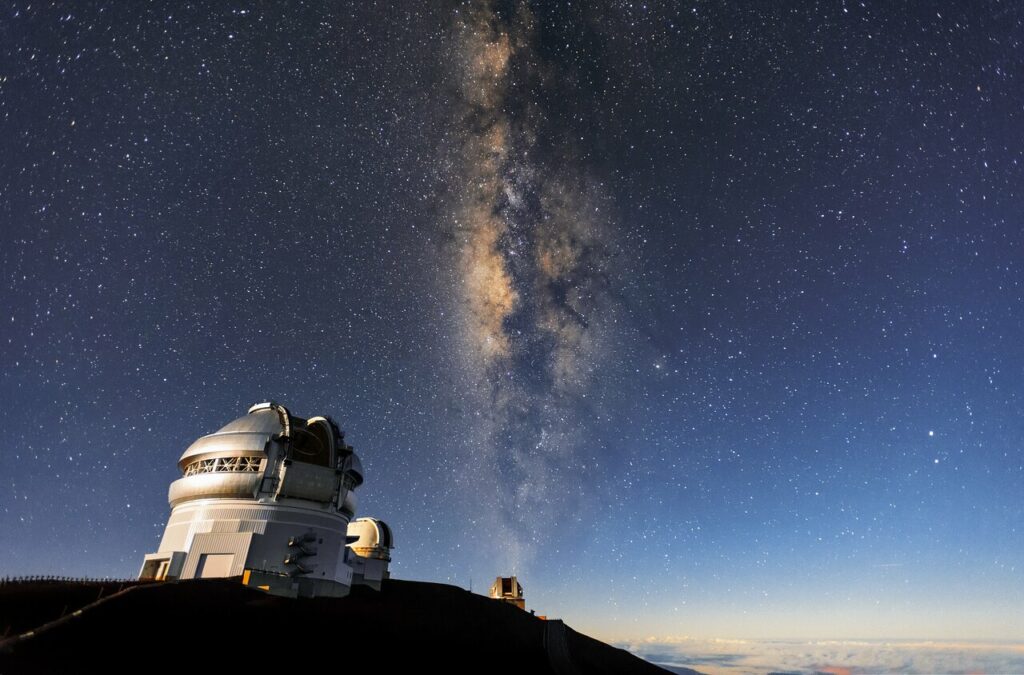
At 14,000 ft (4,200 m), Mauna Kea lifts you above clouds into one of the darkest skies on Earth. The galaxy bursts overhead like a cosmic mural.
Why it’s special: high altitude, low humidity, protected dark zone
When to visit: April–September (best Milky Way core visibility)
3. Namib Desert, Namibia
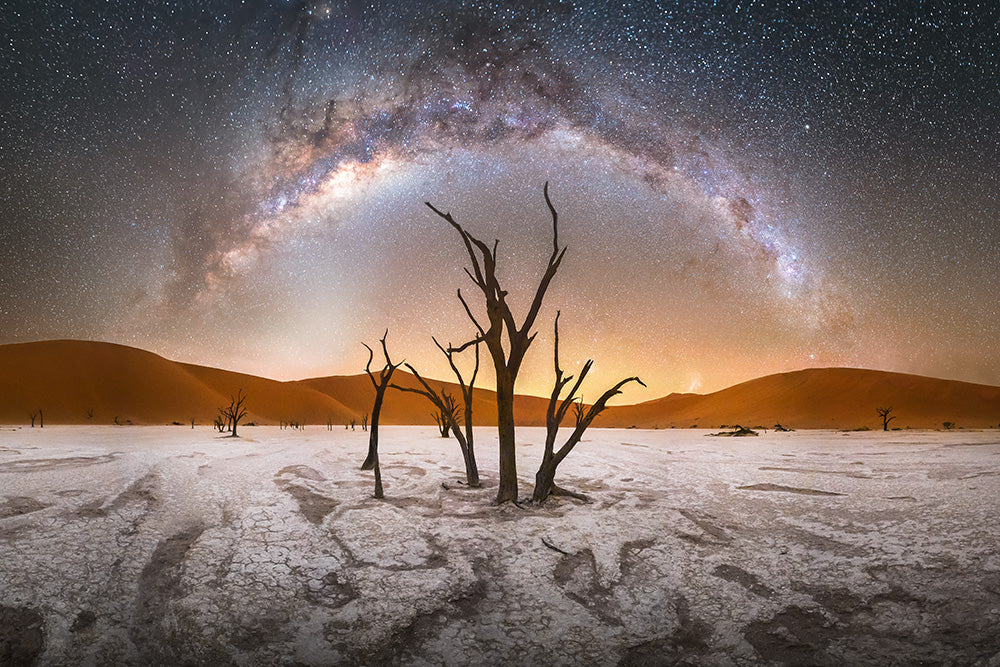
The world’s oldest desert becomes a celestial amphitheater at night. The Milky Way arcs over glowing dunes and fossilized trees.
Why it’s special: no light pollution, dramatic dunes
When to visit: May–September (cooler temperatures + clear skies)
4. Aoraki Mackenzie Dark Sky Reserve, New Zealand
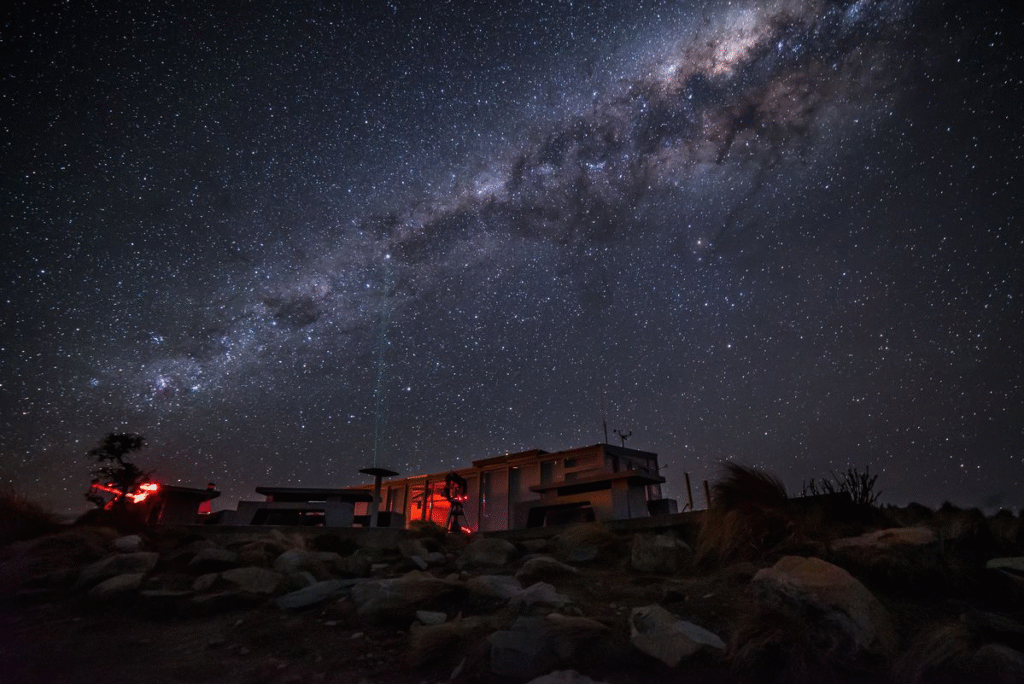
A vast dark-sky reserve where the Southern Hemisphere shows its brightest Milky Way core, alongside the Magellanic Clouds.
Why it’s special: protected dark skies, bright galactic core
When to visit: June–September (winter skies are clearest)
5. Joshua Tree National Park, USA
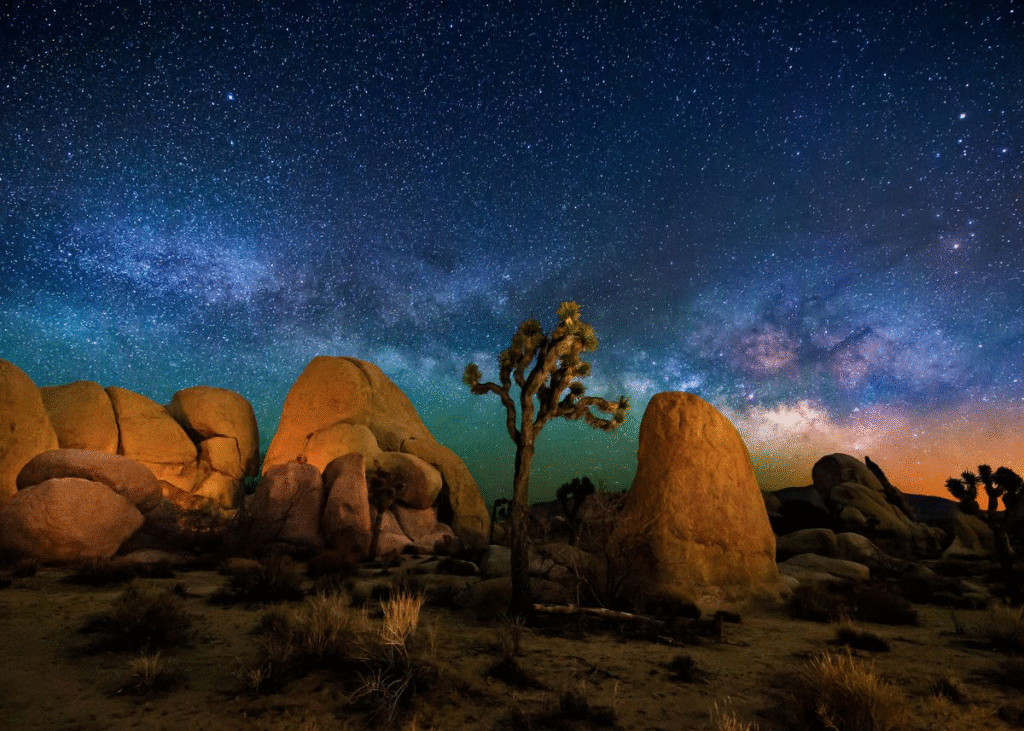
Twisted Joshua trees form haunting silhouettes under the Milky Way’s glowing arc — a dreamscape for photographers.
Why it’s special: iconic desert foregrounds, wide open skies
When to visit:
April–August (Milky Way core season)
October–February (super dark winter nights)
6. Wadi Rum, Jordan
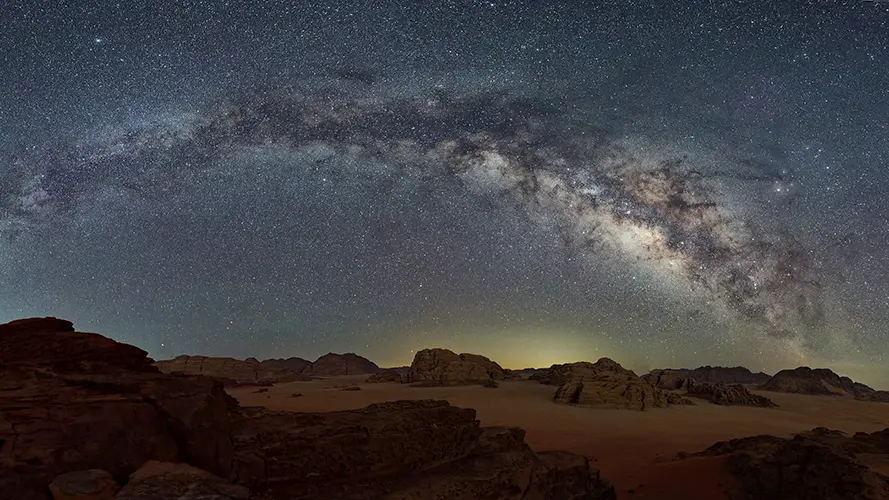
Mars-like landscapes, towering sandstone cliffs, and celestial silence define this “Valley of the Moon.”
Why it’s special: zero light pollution, vast open desert
When to visit: March–May & September–November (clear, mild nights)
7. Uluru–Kata Tjuta National Park, Australia
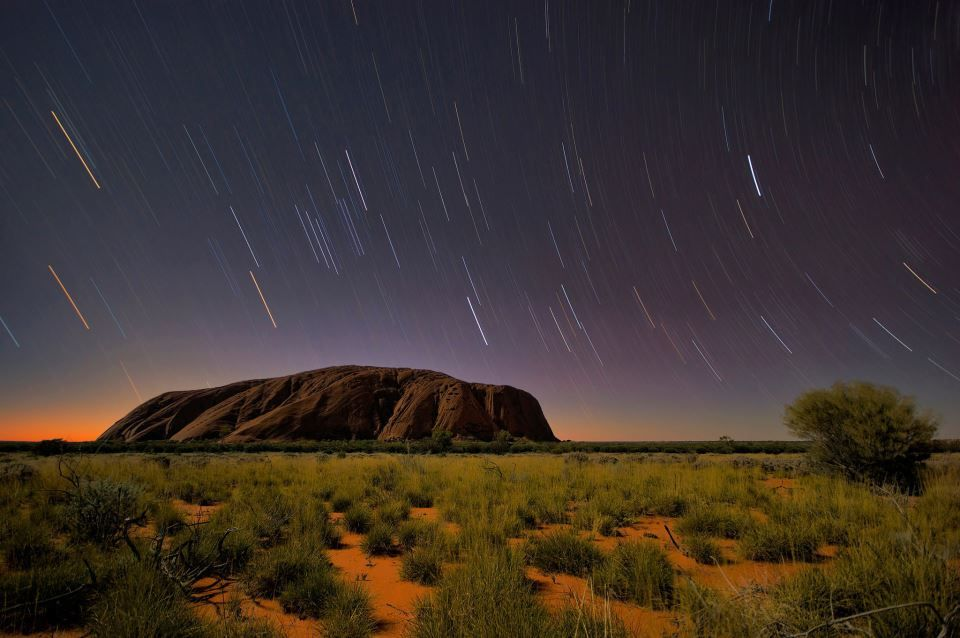
Uluru rests beneath a luminous sky filled with Indigenous celestial stories and the brightest desert stars.
Why it’s special: sacred land + pristine night skies
When to visit: May–September (dry season)
8. Isle of Skye, Scotland
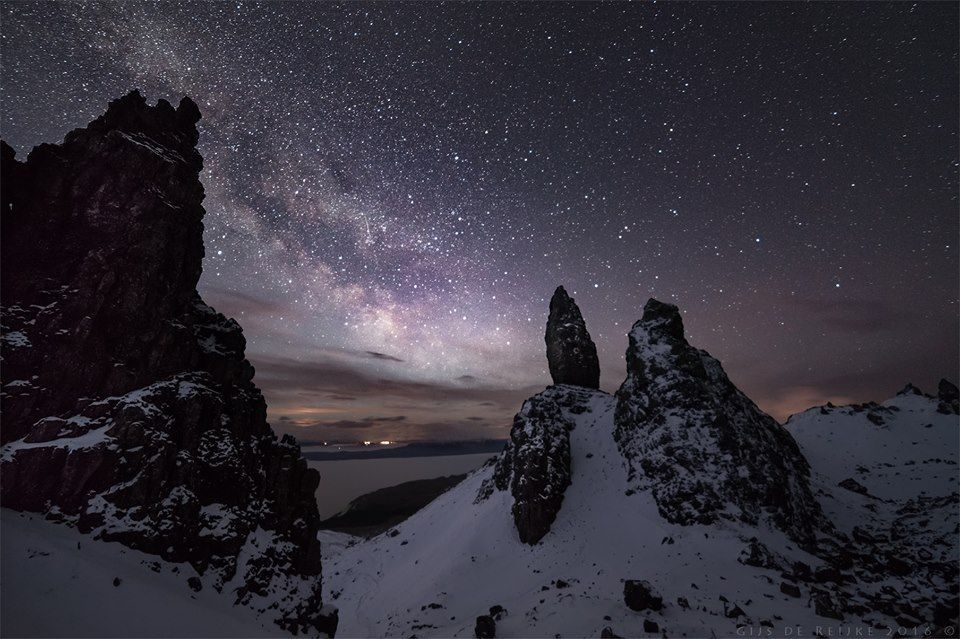
A mystical island where cliffs, moors, and ancient landscapes glow under the northern Milky Way.
Why it’s special: long winter nights, moody landscapes
When to visit:
October–March (long nights + best Milky Way visibility)
9. Sagarmatha National Park, Nepal (Everest Region)

High-altitude air makes the Milky Way sharp and glittering, illuminating Himalayan giants like Everest and Lhotse.
Why it’s special: extreme altitude clarity
When to visit:
March–May (spring trekking season)
October–November (crisp post-monsoon skies)
10. La Palma, Canary Islands, Spain
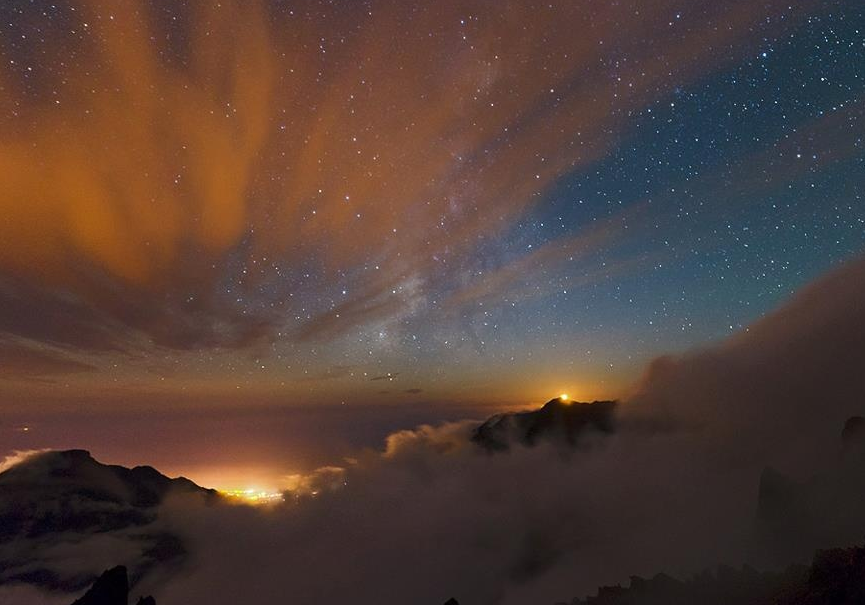
Protected by strict light-pollution laws, La Palma boasts some of Europe’s clearest skies from its volcanic peaks.
Why it’s special: stable atmosphere, observatory sites
When to visit: June–September (Milky Way core visible all night)
Final Thoughts: Where Earth Meets Infinity
In these places, night is not darkness — it’s revelation.
The Milky Way becomes a river of ancient light, connecting deserts, mountains, oceans, and cultures across time. Whether you seek wonder, stillness, or a cosmic awakening, these destinations offer a rare doorway into the universe’s deepest secrets.